


Budget-Friendly Wellness Ideas That Actually Work for Busy People
Wellness doesn’t have to come with a luxury price tag.
Between rising grocery costs, expensive gym memberships, packed calendars, and endless wellness trends online, many people feel like taking care of their health is becoming harder—and more expensive—than ever. But the truth is, improving your well-being often comes down to consistency, not costly routines.
According to the CDC, adults should aim for at least 150 minutes of moderate physical activity each week, along with healthy sleep, stress management, and preventive care. None of which require boutique fitness studios, expensive supplements, or complicated routines to be effective.
At Impact Health Sharing, we believe wellness should be practical, sustainable, and accessible for real families living real lives. Here are budget-friendly wellness ideas that can help you feel healthier without stretching your finances.
1. Skip the Expensive Gym Membership
Gym memberships can easily cost $40–$200 per month depending on the facility and amenities. While gyms work well for some people, they’re far from the only option.
Low-Cost Alternatives That Still Deliver Results
Walking
Walking remains one of the most effective forms of exercise for heart health, stress reduction, and weight management. Research from Harvard Medical School shows regular walking may help reduce the risk of heart disease, diabetes, and depression.
Simple ways to fit it in:
- Walk during phone calls
- Take a 20-minute walk after dinner
- Park farther away from stores
- Use walking meetings when possible
Free Workout Apps & YouTube Channels
Many certified trainers offer free workouts online, including:
- Yoga
- Strength training
- HIIT workouts
- Stretching routines
- Mobility exercises
Popular free resources include:
Resistance Bands & Dumbbells
A small investment in basic equipment can replace many gym machines. Resistance bands, adjustable dumbbells, or a yoga mat often cost less than one month of a premium gym membership. Don't forget to check places like Facebook Marketplace or garage sales for home gym equipment deals.
2. Prioritize Wellness Beyond Exercise
Exercise matters, but wellness includes much more than physical fitness.
Some of the most impactful health habits are also the least expensive.
Sleep
The Sleep Foundation recommends adults get 7–9 hours of sleep nightly for optimal health.
Better sleep habits can improve:
- Energy levels
- Mood
- Immune function
- Focus
- Stress management
Ways to improve sleep:
- Set a consistent bedtime
- Reduce or eliminate screen time before bed
- Keep bedrooms cool and dark
- Limit caffeine late in the day

Stress Management
Chronic stress can affect both mental and physical health. The good news? Many effective stress-management techniques are free!
Try:
- Deep breathing exercises
- Journaling
- Meditation apps
- Spending time outdoors
- Short breaks throughout the workday
The American Psychological Association notes that even brief mindfulness practices may help reduce stress and improve emotional resilience.
Hydration
Water supports nearly every system in the body, yet many people underestimate its importance.
- Carry a reusable water bottle
- Add lemon or fruit for flavor
- Drink water before meals
- Replace sugary beverages with sparkling water
3. Meal Planning Can Save Both Money and Stress
Healthy eating doesn’t require expensive organic meal kits or trendy superfoods. In fact, some of the healthiest staple foods are also budget-friendly:
- Oats
- Beans
- Rice
- Frozen vegetables
- Eggs
- Greek yogurt
- Chicken
- Seasonal produce
Using your inexpensive staple foods and ingredients to stretch your "planned meals" can make your dollars go farther and reduce the stress of having to think up something new every meal.
Simple Meal Planning Strategies
Plan 3–4 Core Meals Each Week
Instead of creating an entirely new menu every night, rotate affordable favorites.
Examples:
- Sheet pan chicken and vegetables
- Ground turkey taco bowls
- Stir fry
- Pasta with lean protein and vegetables
- Slow cooker soups
Buy Frozen Produce
Frozen fruits and vegetables are nutritious, affordable, and reduce food waste.
Prep Once, Eat Twice
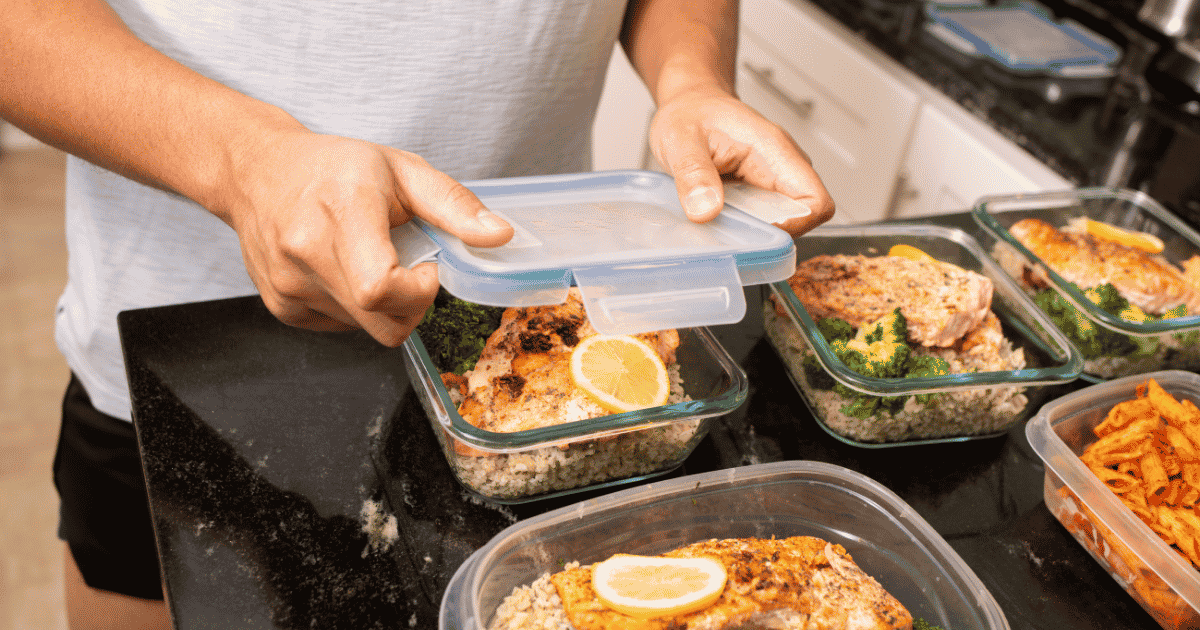
Cook larger portions for leftovers and lunches. According to the USDA, meal planning can significantly reduce food waste and grocery spending over time.
4. Wellness for Busy Schedules
One of the biggest wellness myths is that health requires hours of free time.
For most busy adults, consistency matters far more than perfection.
Build “Micro Habits”
Small daily actions can add up over time:
- 10-minute walks
- Stretching while watching TV
- Five minutes of meditation or deep breathing
- Preparing lunches the night before
- Going to bed 30 minutes earlier
James Clear, author of Atomic Habits, emphasizes that sustainable habits often start small and become easier to maintain long term.
Stack Healthy Habits Into Existing Routines
Examples:
- Stretch while coffee brews
- Walk after lunch
- Listen to wellness podcasts during commutes
- Keep healthy snacks visible and convenient
5. Don’t Fall for Expensive Wellness Trends
The wellness industry is filled with products promising quick results. Many are unnecessary and costly.
Common Wellness Myths
Myth: You Need Expensive Supplements to Be Healthy
Reality: Most people benefit more from consistent nutrition, sleep, movement, and hydration than high-priced supplements.
Always speak with a healthcare professional before starting new supplements.
Myth: Longer Workouts Are Always Better
Reality: Even short workouts can improve cardiovascular health and mood.
Myth: Healthy Living Requires “Perfect” Habits
Reality: Sustainable progress matters more than perfection.
6. Preventive Wellness Can Save Money Long-Term
Preventive care and healthy habits may help reduce healthcare expenses over time.
That includes:
- Annual wellness visits
- Routine screenings
- Staying active
- Managing stress
- Prioritizing sleep
- Maintaining healthy eating habits
Making small, consistent wellness choices today may support both your health and your financial goals in the future. And Impact makes this easy as every member gets a complimentary annual wellness visit, shared at 100% by the community and available from day one.
Affordable Wellness Starts With Realistic Habits
Wellness shouldn’t feel overwhelming or financially out of reach. The healthiest routines are often the simplest:
- Moving your body regularly
- Sleeping well
- Managing stress
- Eating balanced meals
- Staying connected to supportive people
You don’t need a perfect routine or expensive products to improve your well-being. Small, manageable habits can make a meaningful difference over time.
At Impact Health Sharing, we believe healthcare and wellness should support real people living real lives—practically, affordably, and sustainably.


