

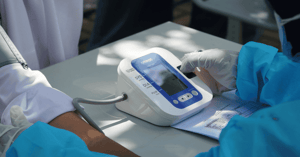
Preventative care isn’t just about annual checkups; it’s about catching health issues early, reducing long-term risk, and staying proactive as your body changes with age. According to the CDC, routine screenings, vaccinations, and lifestyle counseling can help prevent chronic disease and detect conditions earlier when they’re easier to treat.
Preventative care is often framed as a checklist—get your annual physical, stay up to date on vaccines, and schedule recommended screenings. But what’s often missing is the why: how your body changes over time, how risk accumulates, and why certain screenings suddenly become critical at different life stages.
In reality, preventative care is about timing. Many of the most serious health conditions—heart disease, cancer, diabetes—develop slowly over years or even decades. By the time symptoms appear, the disease is often more advanced and harder to treat.
According to the CDC, chronic diseases account for 7 in 10 deaths in the United States, and many are preventable or manageable when detected early. Early intervention doesn’t just improve outcomes—it can dramatically reduce the need for invasive treatments later.
Why Preventative Care Matters at Every Age
Your health isn’t static; it evolves based on biology, lifestyle, environment, and genetics. Preventative care works because it aligns with how disease actually develops.
1. Many Conditions Start Silently
High blood pressure, high cholesterol, insulin resistance, and even early-stage cancers often have no symptoms. You can feel completely healthy while underlying damage is already occurring.
- Atherosclerosis (plaque buildup in arteries) can begin in your 20s
- Prediabetes can develop years before diagnosis
- Certain cancers grow slowly and silently before detection
Screenings are designed to catch these issues before they reach a tipping point.
2. Risk Is Cumulative, Not Sudden
Health risks build over time. For example:
- Decades of slightly elevated cholesterol increase heart disease risk
- Long-term sun exposure raises skin cancer risk
- Hormonal changes over time affect bone density and metabolism
Preventative care helps track these trends early—before they become irreversible.
3. Early Detection Means Less Aggressive Treatment
There’s a major difference between:
- Treating early-stage colon cancer vs. advanced-stage disease
- Managing prediabetes vs. insulin-dependent diabetes
- Addressing mild hypertension vs. heart failure
Earlier detection typically means:
- Fewer medications
- Less invasive procedures
- Better long-term outcomes
4. Your Body’s Needs Change With Age
Each decade brings distinct physiological shifts:
- Hormonal fluctuations
- Slower metabolism
- Changes in bone density and muscle mass
- Increased inflammation and cellular aging
Preventative care evolves to match these changes. What matters at 25 is very different from what matters at 55.
In Your 20s: Laying the Biological Foundation
What’s happening in your body
Your 20s are often your healthiest decade on the surface but internally, this is when long-term patterns are set.
- Peak bone mass is reached by your late 20s
- Early cardiovascular changes can begin
- Mental health conditions often emerge in early adulthood
- Lifestyle habits (sleep, diet, alcohol use) become ingrained
Because many chronic conditions develop silently over time, preventative care in your 20s is less about diagnosing disease and more about establishing a baseline and reducing future risk through early intervention.
Why preventative care matters now
Skipping care in your 20s doesn’t usually cause immediate consequences, but it can mean missing early warning signs that shape your health later.
For example:
- Undiagnosed high blood pressure can quietly damage arteries
- Untreated anxiety or depression can affect long-term physical health
- Missing vaccines (like HPV) can increase cancer risk later in life
Think of your 20s as your “data collection decade.” The goal is to establish what’s normal for you.
In Your 30s: The Hidden Risk Decade
What’s happening in your body
In your 30s, subtle changes begin:
- Metabolism starts to slow
- Muscle mass gradually declines
- Hormonal shifts may affect energy, weight, and fertility
- Early insulin resistance may develop
Health experts note that many chronic conditions develop slowly and without symptoms, meaning you can feel healthy in your 30s while underlying risk factors are already building.
Why preventative care matters now
This is when many chronic diseases start developing quietly.
- Prediabetes often emerges in this decade
- Cholesterol levels may begin rising
- Stress-related conditions (like hypertension) become more common
Because symptoms are still minimal, screenings become your primary defense. This decade is about catching what you can’t feel yet.

In Your 40s: The Turning Point
What’s happening in your body
Your 40s are a biological shift point:
- Hormonal changes accelerate (especially for women in perimenopause)
- Muscle mass declines more rapidly
- Fat distribution changes (more visceral fat)
- Cardiovascular risk increases significantly
This is also when the incidence of many cancers begins to rise.
Why preventative care matters now
This is the decade where screening saves lives most visibly.
- Breast cancer risk increases → mammograms become critical
- Colon cancer risk rises → screening begins at 45
- Cardiovascular disease becomes a leading concern
At this stage, preventative care shifts from baseline tracking to active disease prevention. Many conditions that emerge in your 60s actually begin in your 40s.
In Your 50s: The Early Detection Decade
What’s happening in your body
By your 50s:
- Bone density begins to decline more rapidly
- Hormonal changes stabilize at lower levels
- Inflammation and cellular aging increase
- Chronic conditions become more common
Why preventative care matters now
This decade is where early detection has the biggest payoff.
- Cancer screenings can detect disease before symptoms appear
- Bone density testing can prevent fractures years in advance
- Vaccines (like shingles) prevent painful, long-term complications
By your 50s, the focus of preventative care shifts heavily toward early detection. Cancer risk rises significantly with age—most cases occur in adults 55+—making routine screenings critical for identifying disease early, often before symptoms appear, when treatment is most effective.
In Your 60s and Beyond: Protecting Independence
What’s happening in your body
Aging accelerates certain changes:
- Muscle loss (sarcopenia) affects strength and balance
- Bone density loss increases fracture risk
- Cognitive changes may begin
- Immune function declines
Why preventative care matters now
The focus shifts from prevention alone to preserving function and independence.
- Fall prevention becomes critical
- Cognitive screening helps detect early decline
- Vision and hearing care maintain quality of life
- Chronic disease management prevents complications
In your 60s and beyond, preventative care focuses not just on disease prevention but on maintaining independence and quality of life. The CDC highlights that screenings and interventions—such as fall risk assessments, vision and hearing checks, and chronic disease management—play a key role in preserving mobility and daily functioning as you age.
The Bigger Picture: Prevention Is a Lifelong Strategy
One of the biggest misconceptions about preventative care is that it’s something you “start later.” In reality, each decade builds on the previous one.
- Your 20s shape your baseline
- Your 30s reveal hidden risks
- Your 40s begin active intervention
- Your 50s focus on early detection
- Your 60s prioritize longevity and independence
Skipping care in one decade doesn’t just affect that moment—it shifts your risk trajectory for decades to come.
It's also important to note that while routine screenings and vaccines may not be shareable with Impact, the monthly and annual savings members experience helps them save and plan ahead—all leading to lower overall healthcare costs.
Final Takeaway
Preventative care isn’t about doing more; it’s about doing the right things at the right time. Understanding why each screening or checkup matters makes it far more likely you’ll stay consistent—and consistency is what ultimately protects your long-term health.
For Impact, our members' health comes first. That’s why every member gets a complimentary annual wellness visit, shared at 100% by the community and available from day one. And, with Wellness Concierge Service, we remove paperwork and payment hassles so members can focus on what matters most: their well-being.


